Saratoga Springs Utah Pickle Court Surfacing

Pickle Court Surfacing

(360) 335-4966 Free Estimate
  • Court Surfaces
    • Pickleball Court
    • Basketball Court
    • Tennis Court
    • Multi Sport Pickleball Court Surfacing
    • Accessories
  • Court Resurfacing
  • Estimates
  • Colors & Court Designer
    • Court Designer
  • Portfolio
  • About Us
    • Blogs
    • Contact Us

Surviving the Heat: How to Stay Cool and Safe on the Court

Home | Court Surfacing

Surviving the Heat: How to Stay Cool and Safe on the Court

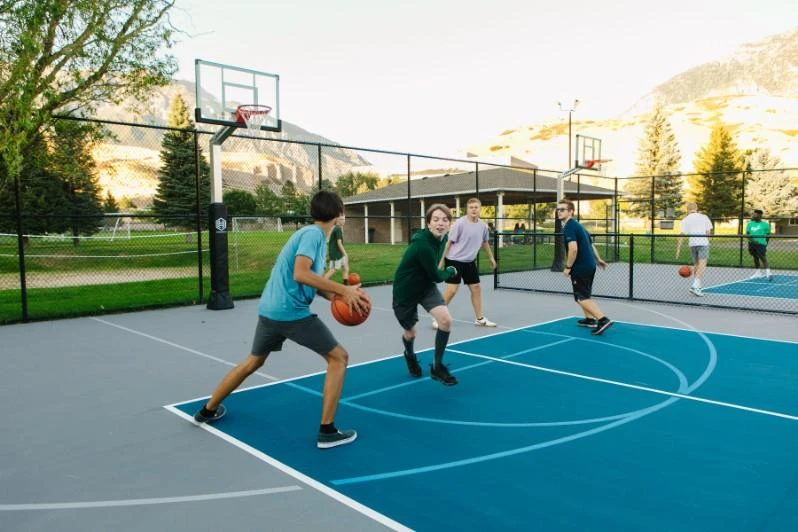
Summertime means lots of time spent outside, taking advantage of your outdoor court. However, rising temperatures can pose serious health risks if you’re not careful. Whether playing basketball, pickleball, tennis, or hosting a friendly family tournament, it’s important that you prioritize safety while staying active in the heat. Here are some tips to help you enjoy your court while keeping cool and avoiding heat-related illnesses. 

Time It Right

Avoid playing sports during the hottest parts of the day — typically between 10 a.m. and 4 p.m. Instead, opt for early morning or evening sessions when temperatures are lower and the sun is less intense. Not only is this safer but it’s also more enjoyable when you’re not battling the scorching sun. 

No matter the time of day, check the temperature and humidity. High humidity can make it feel hotter and reduce your body’s ability to cool itself through sweating. Additionally, avoid playing outside when extreme heat or heat advisories are in effect. 

Hydrate Before, During, and After Play

You can quickly become dehydrated in the heat. Start hydrating before you plan to play and continue sipping water or sports drinks with electrolytes throughout your activity. Aim for 7 to 10 ounces of water every 10 to 15 minutes. Avoid drinks with caffeine or alcohol, which can worsen dehydration. 

Wear Light and Breathable Clothing

Choose lightweight, loose-fitting, and moisture-wicking fabrics in light colors to reflect sunlight and help your body stay cool. Consider also wearing a breathable hat and UV-blocking sunglasses to protect yourself from direct sun exposure. 

Use Sunscreen Generously

Fifteen minutes before playing on your outdoor court, apply a broad-spectrum sunscreen with an SPF of 30 or higher, and reapply every two hours or more if you’re sweating heavily. Don’t forget commonly missed spots like your ears, the back of your neck, and the tops of your feet. 

Consider getting a sport-specific sunscreen that resists sweat to avoid it running into your eyes during play. 

Know the Warning Signs of Heat Illness

Pay attention to how your body feels. Common signs of heat exhaustion include:

  • Dizziness or lightheadedness
  • Excessive sweating and pale, clammy skin 
  • Muscle cramps, especially in the legs and abdomen 
  • Nausea or vomiting
  • Rapid heartbeat
  • Weakness and fatigue 
  • Headache 

If you or anyone you’re with experiences these symptoms, stop playing immediately, get to a shaded or cool area, and hydrate. 
Surviving the Heat: How to Stay Cool and Safe on the Court

Common signs of heatstroke:

  • Extremely high body temperature 
  • Red, hot, and dry skin 
  • No sweating
  • Rapid, strong pulse
  • Throbbing headache
  • Confusion and disorientation 
  • Seizures
  • Loss of consciousness
  • Rapid, shallow breathing 

If you or someone you are playing with shows signs of heatstroke, seek medical attention as soon as possible. Call 911 if the person loses consciousness or has a fever over 102 degrees Fahrenheit. 

To avoid any heat-related illnesses, you may want to acclimate your body to playing in high temperatures. 

Take Regular Breaks

Set a timer to rest every 15 to 20 minutes in a shaded area. Use these breaks to hydrate, cool down with a damp towel or spray bottle, and give your body a chance to recover. Don’t push through fatigue in extreme heat. 

Consider Surface Temperature

Outdoor court surfaces can get very hot under direct sunlight. Before playing, check the court temperature with your hand or an infrared thermometer. If it feels too hot to touch, it’s too hot to play on. Consider waiting or cooling the surface with a light spray of water before use. 

Upgrade Your Court with Shade and Cooling Features

If you regularly use your outdoor court in the summer, consider installing shade structures like awnings, umbrellas, or even misting fans. These upgrades can significantly reduce the temperature and make your court more usable throughout the season. 

In addition, keep your court well-maintained, as a clean surface reflects heat better than a worn or dirty surface. Regularly sweep away debris and rinse your court to reduce heat absorption and prevent slips caused by sweat or dust. 
Surviving the Heat: How to Stay Cool and Safe on the Court

Protect Yourself From the Heat This Summer

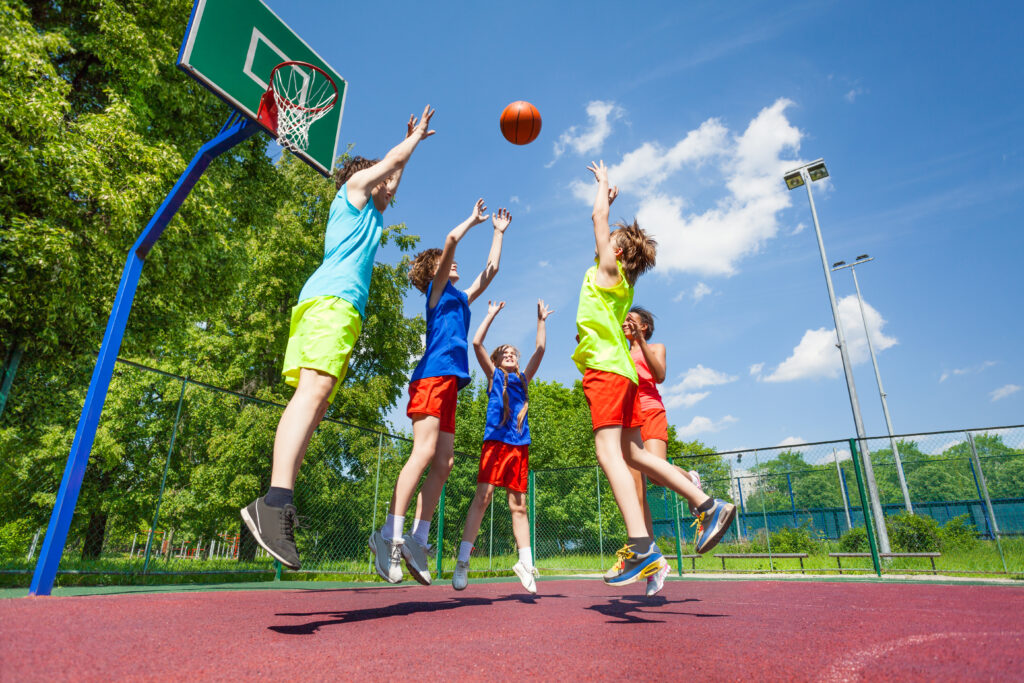
Summer is the perfect season to take advantage of your outdoor court. However, the high temperatures can cause health issues if you don’t play it safe. Choose the right time of day, stay hydrated, wear proper clothing, and listen to your body, so you can continue to have fun, stay healthy, and stay safe from the heat. Whether you’re shooting hoops or serving up a tennis match, a few precautions will go a long way toward protecting yourself and others. 
Filed Under: Court Surfacing

How to Play Tennis: A Beginner’s Guide

Do you want to participate in a fast-paced, fun, and physically rewarding sport? If so, tennis is a great choice. This sport is enjoyed by millions around the world. And while starting may feel a bit intimidating, anyone can pick up a racket and learn the basics. This beginner-friendly guide will walk you through the essentials — from rules and equipment to techniques and tips — so you can feel confident when you step onto the court.

What You Need to Start Playing 

Before you can play, you’ll need a few essentials:

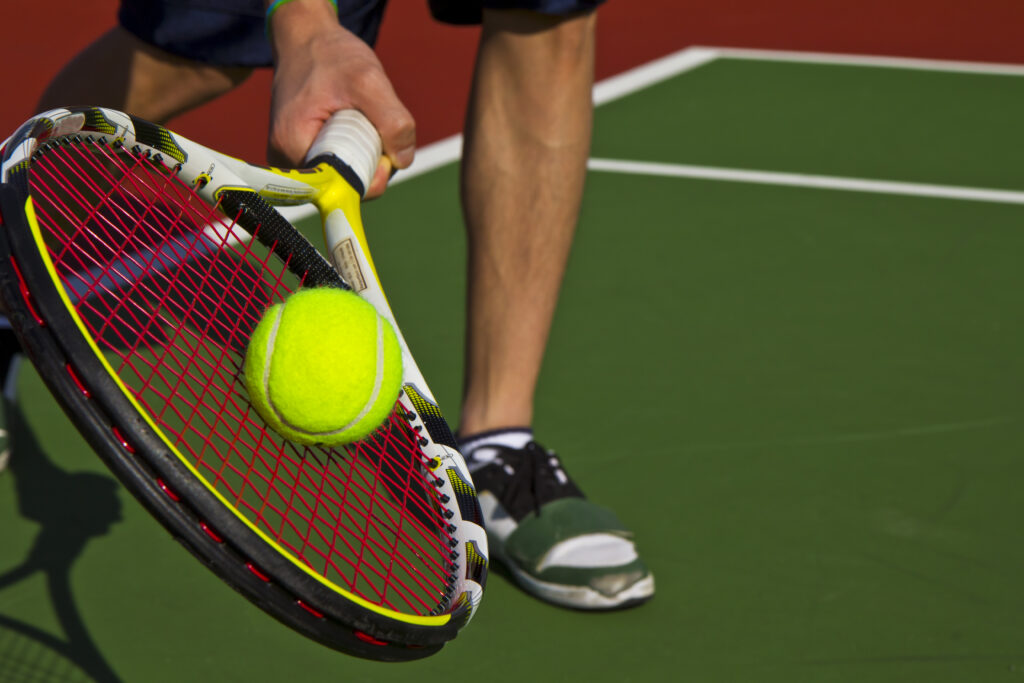
Tennis Racquet — Choose a beginner-friendly racquet, as it has a larger frame to help you hit the ball more easily. 

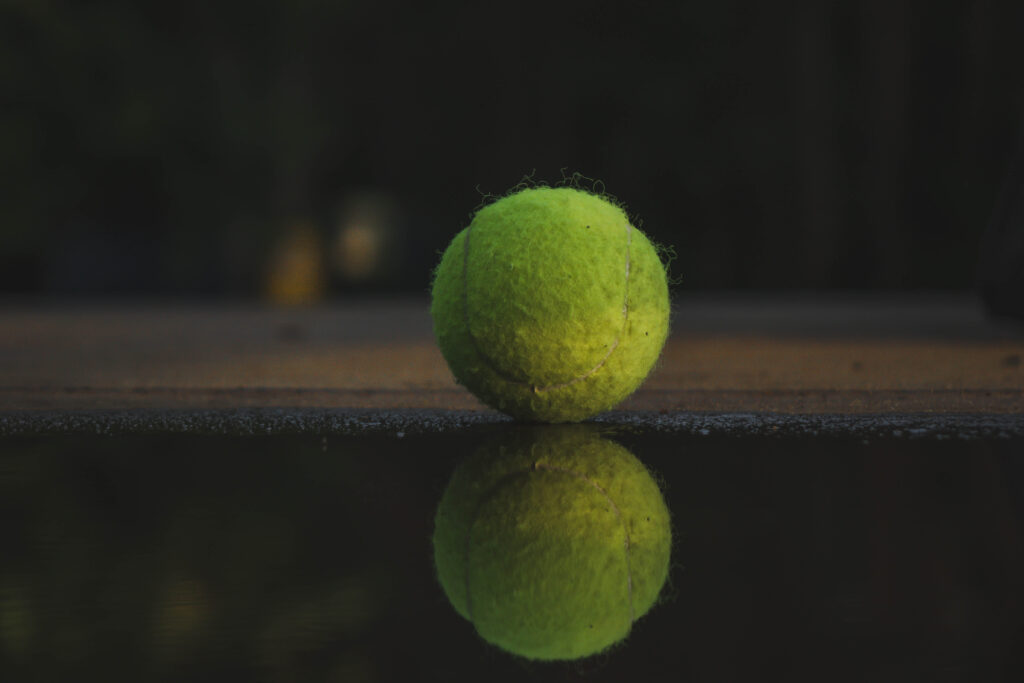
Tennis Balls — Opt for pressurized balls for regular play and low-compression balls for younger players and beginners.

Proper Footwear — Wear tennis shoes with good support to help you move quickly and safely on the court. 

Good Clothing — Wear lightweight, breathable fabrics that allow for freedom of movement and a hat or visor to protect your eyes and face from the sun. 

Court Layout and Terminology

Understanding the different parts of a tennis court will help you follow the game and position yourself correctly. 

Baseline — The baseline is the farthest line at the back of the court where you serve from.

Service Box — The service box is the smaller rectangular area on each side of the set where the ball must land. 

Doubles Alley — The doubles alley is the extra strip along the slides used in double matches. 

Net — The net stretches across the middle of the court and stands three feet high in the center. 

How to Play Tennis: A Beginner’s Guide

Understanding the Rules of Tennis

Tennis can be played in singles (one-on-one) or doubles (two-on-two). The goal is to hit the ball over the net onto your opponent’s court without them being able to hit it back over. 

Basic rules include:

Serving — The player serving must stand behind the baseline and hit the ball diagonally into the opponent’s service box.

Returning — The player returning the ball must let it bounce once before hitting back over the net. 

Rally — Players continue hitting the ball back and forth until one player fails to return it over the net or in bounds. 

Scoring in Tennis

Tennis uses a unique scoring system:

Zero Points — A zero point is referred to as a “love.”

One Point — 15

Two Points — 30

Three Points — 40 

Deuce — If both players reach 40, it’s called deuce. A player must then win two consecutive points to win the game.

Set — The first player to win six games with at least a two-game lead wins a set.

Matches — Matches are typically best of three or best of five. 

Basic Techniques to Practice

Footwork — Agility and forwork are essential for getting into position to hit the ball effectively. Practice footwork drills like shuffling, hopping, and moving laterally. 

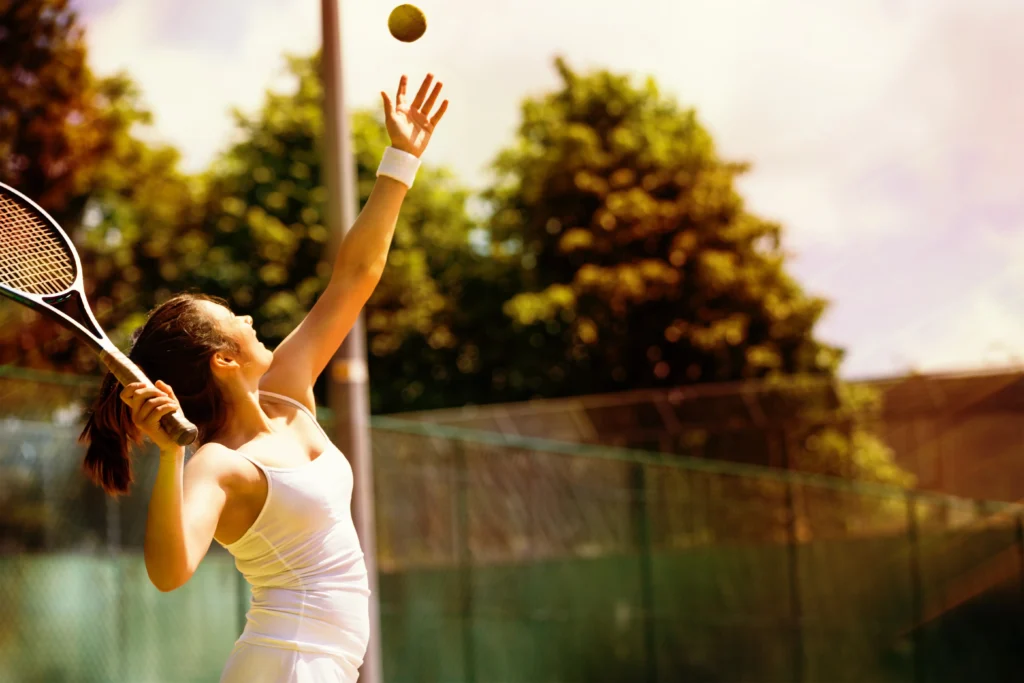
Serving — To master serving, begin behind the baseline, toss the ball in the air, and hit it over the net into the diagonal service box. Work on both power and accuracy.

Forehand and Backhand Strokes —  A forehand stroke uses your dominant hand on the same side of your body, and a backhand can be single or double-handed on the opposite side.  Focus on delivering a smooth swing from low to high. Finishing over your opposite shoulder. Pay attention to your contact point, ensuring it’s in front of your body. 

Lobs and Overheads — A volley involves hitting the ball before it bounces, usually near the net, and an overhead is a powerful shot used when the ball is lobbed over your head. Practice both these hits to improve your overall game.

Tips for Beginners

Start Slow — Don’t worry about winning points, focus on improving your technique and keeping the ball in play. It’s easy to get discouraged, but remember that improvement takes time, and you will get better. 

Work on Your Mental Game — Work on your focus, concentration, and ability to handle pressure during practice and matches. 

Have Fun — Tennis should be enjoyable, so make sure you have fun and socialize with other players. 

How to Play Tennis: A Beginner’s Guide

Consider Lessons — A coach or group clinic can teach you proper form and strategy.

Tennis — A Fun Game for Everyone 

Tennis is more than just a sport — it’s a fun and rewarding way to stay active, challenge yourself, and even make new friends. Whether you want to learn how to play to stay fit, indulge your competitive side, or just have fun, learning and mastering the basics can give you a lifelong hobby that will keep you healthy and strong.

Filed Under: Court Surfacing

Winning Colors: How Court Design Impacts Performance

When designing or renovating a court, whether for basketball, tennis, pickleball, or a combination of sports, court design is about more than aesthetics; it can influence performance, perception, and even safety. The right combination of colors can turn your court into the perfect space to host games. 

Why Color Matters on the Court

Color plays a subtle but impactful role in how athletes perform, how spectators experience the game, and how visitors perceive your facility. Strategic color choices can:

  • Enhance the visibility of lines, balls, and players.
  • Improve focus and reduce fatigue.
  • Influence mood and energy levels.
  • Reinforce branding and identity. 

Let’s break down each color and what it can bring to the court.

Red: Energized Play

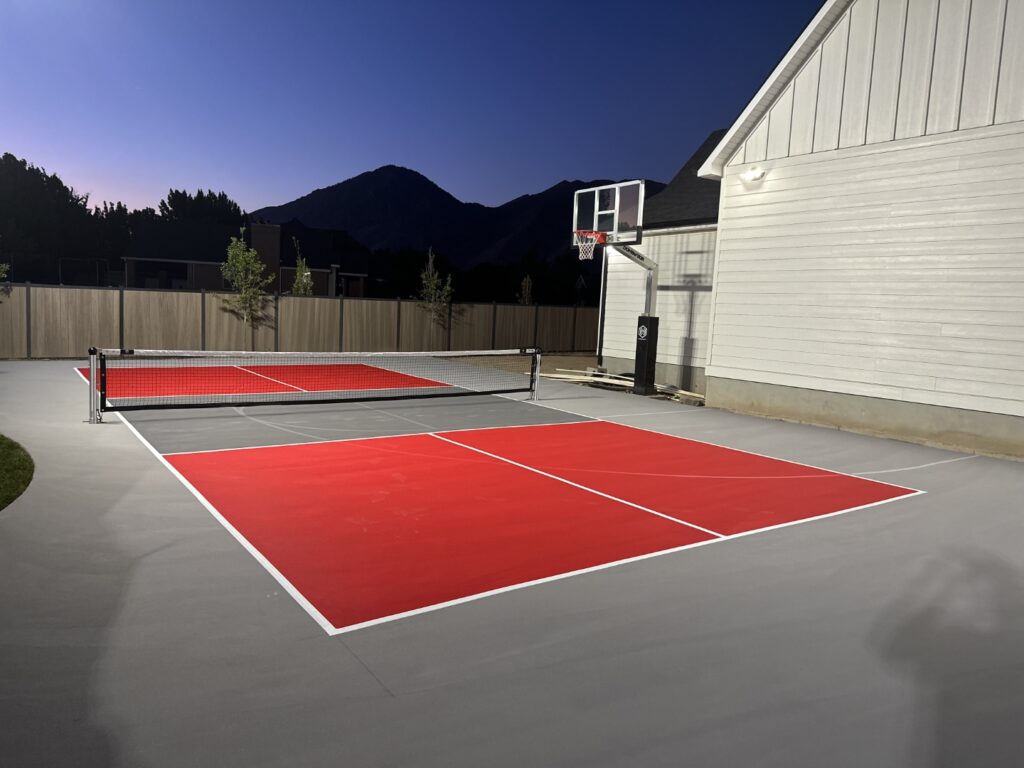
Red encourages energy, action, and feelings of aggression. It’s a high-intensity color often associated with strength and speed. It works best for highlighting key zones, such as the important areas on a basketball court, or energizing players and fans. It also works well in places where players must use greater physical force. 

Approach this color with caution, as red can be overstimulating in large areas, potentially increasing anxiety or tension. 

Blue: Cool Control

Blue promotes a sense of calm, focus, and precision. It’s a popular choice in tennis and basketball courts because it contrasts well with common ball colors. It also helps players remain effective throughout the game and not falter in difficult situations. 

This color works best for full-court surfaces, especially in indoor environments, because blue courts are easier on the eyes under bright lighting. It’s also a good choice for encouraging a cool-headed play style. 

Winning Colors: How Court Design Impacts Performance

Green: Natural Balance

Green provides a soothing, refreshing feel — helping people feel balanced and connected to nature. Most tennis courts are painted this color, so they can blend seamlessly with outdoor landscapes. Like blue, it can help players feel calm and focused. This color works best for outdoor courts, community parks, or facilities that prefer a timeless, natural aesthetic. 

Green is easy on the eyes, especially during long games or practice sessions. However, it could make it difficult to see the ball on extremely sunny days.

Yellow & Orange: High Visibility

These bright, energizing colors work perfectly for accents and boundaries. They boost visibility, especially under poor lighting or against darker surfaces, and contribute to a positive atmosphere. This color works best for line markings, logo elements, and any areas you want players to focus on quickly. Use yellow and orange sparingly to avoid visual overload. 

Black & Grey: Sleek Sophistication

Black and dark greys give a court a modern and dramatic feel. They create a bold, professional look and can be used to frame the court or define boundaries. They can also reduce glare, create good contrast with balls, and enhance focus. 

Use black and grey in logos, branding zones, or as contrast elements to brighter colors. If you want to use a fair amount of these colors, keep in mind that dark surfaces absorb heat quickly and may not be the best for outdoor courts. 

Purple: Unconventional Confidence

Purple is rare but starting to rise in popularity. It conveys a sense of creativity and ambition and works well in courts that want to be unique, make a statement, or reflect community values. Consider using this color in branding-focused facilities or youth centers where individuality and fun play important roles. 

Choosing Your Court’s Colors

Here’s how to build a court color scheme that performs:

Start with functionality — Prioritize visibility and contrast. The court lines should pop, and boundaries should be clearly defined. 

Balance bold with neutral — Use one or two primary colors and balance them with neutral tones like grey or white.

Reflect your brand — Incorporate school or team colors strategically if building a community court or wanting to show pride for a team in your own personal court. 

Winning Colors: How Court Design Impacts Performance

Test with lighting — View color samples under the actual lighting conditions of your court, so you can get an idea of how they will affect the playability and enjoyment of games. 

Paint with Purpose

A court’s color palette not only affects the aesthetics of the space but also the performance of the players. The right colors can boost focus, enhance visibility, and even influence how players feel. Whether you’re designing a court for a competition, recreation, or community engagement, be smart and strategic about the colors you pick. A well-chosen palette doesn’t just look good — it plays smart. 

Need help creating a palette that works as hard as your players? Pickle Court Surfacing can help bring your vision and style to life.

Filed Under: Court Surfacing

  • 1
  • 2
  • 3
  • …
  • 9
  • Next Page »
Saratoga Springs Utah Pickle Court Surfacing

1138 E Bearing Drive, Saratoga Springs, UT 84045

picklecourtsurfacing@gmail.com
(360) 335-4966
Monday 7:00 AM - 9:00 PM
Tuesday 7:00 AM - 9:00 PM
Wednesday 7:00 AM - 9:00 PM
Thursday 7:00 AM - 9:00 PM
Friday 7:00 AM - 9:00 PM
Saturday 7:00 AM - 9:00 PM
Sunday Closed

Directions

Contact Us

This field is for validation purposes and should be left unchanged.

Follow Us

2023 | Pickle Court Surfacing | All Rights Reserved | Privacy Policy | Terms | Accessibility Statement | Anti-Discrimination Disclaimer | XML Sitemap | Sitemap | Site by PDM